





Improving comfort while cutting costs takes a clear plan, steady steps, and honest measurement. Lead with quick diagnostics, then resolve the largest issues. We focus on airflow and moisture because small errors grow into big bills. You’ll see how sealing ducts pairs with weatherization basics to boost home energy efficiency. Expect everyday cases, not lab talk. You’ll learn to parse charges and capture hidden savings. From time of use rates explained to phantom power usage, we connect comfort and cost. Ultimately, you’ll map steps that fit your budget and cut drafty rooms and costs.
Map scope and sequence for comfort wins without guesswork
Set your baseline first with a whole home energy audit and a practical home energy audit checklist. home energy efficiency Note square footage, room function, and daily patterns. Then outline indoor comfort planning and decide how to balance home comfort vs energy use. Set goals like ending hot and cold spots in house. Track progress in a one-page plan for accountability.
Real tests beat hunches every day. Add airflow testing and hvac performance testing to see where weak airflow from vents shows up, and note reduced airflow causes. Document static pressure in hvac before and after changes. Use manual j load calculation to size, and pair it with manual s equipment selection. Those checks protect system sizing and comfort while guarding against oversized ac problems or undersized ac symptoms.
Choose materials and tools that steer clear of rework
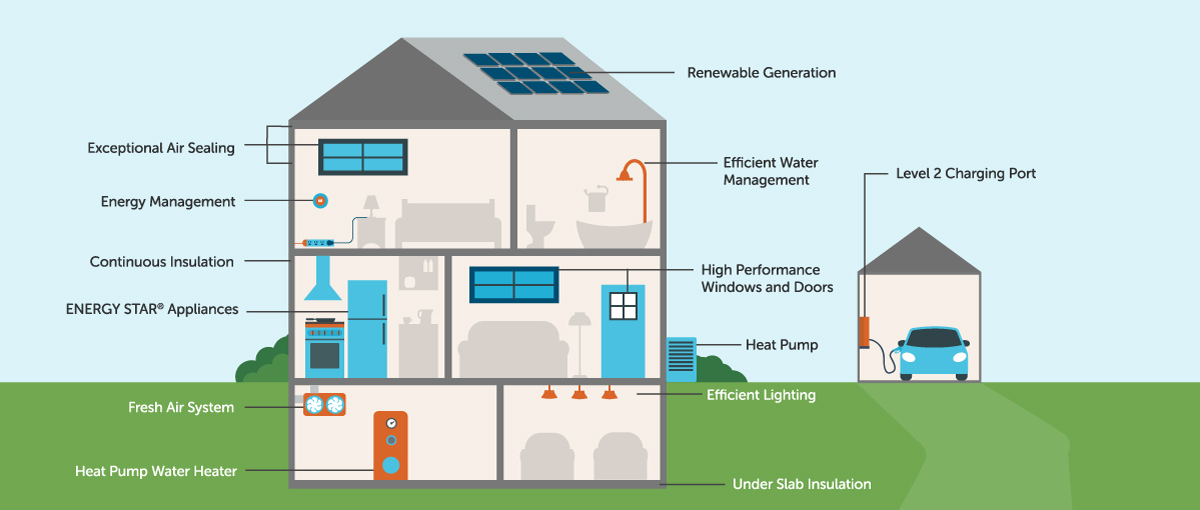
Begin with pressure and leakage diagnostics so numbers drive choices. home energy efficiency Have the blower door test explained with examples and run a home air leakage test to reveal duct leakage signs and duct leakage energy loss. Target air sealing tips at top plates, chases, and kneewalls, then reference duct sizing guide and manual d duct design for ductwork airflow issues. Seal ducts first, then insulate for the biggest early wins.
Pick insulation and ventilation with numbers, not hype. Follow the insulation r value guide for climate and depth and evaluate duct insulation r value where attic ductwork problems exist. Weigh spray foam vs blown in insulation at attics and rims, consider radiant barrier pros and cons, and plan attic ventilation balance using ridge vent vs soffit vent. Add window efficiency upgrades and weatherstripping doors and windows to cut thermal bridging explained at the envelope.
Build scheduling that respects usage and budget
Line up work to match weather and access. home energy efficiency Plan duct sealing before new finishes. Time upgrades for seasonal energy savings with playbooks for summer energy savings at home and winter energy savings at home. Batch tests to reduce fees and coordinate hvac diagnostics with contractors so results inform the hvac tune up checklist and ac maintenance checklist. When you align tasks, crews move faster and cleaner.
Plan controls and behavior updates in parallel. Dial thermostat schedule tips for work and sleep, then tune smart thermostat settings for smart thermostat savings. Place remote temperature sensors in rooms that ride hot, and explore hvac zoning basics only where walls and loads allow. Show the family how to read an electric bill and how to read a gas bill, then compare peak vs off peak electricity as time of use rates explained drive choices that lower electric bill and lower gas bill.
Verify quality with metrics before calling the job done
Measure, adjust, and confirm. home energy efficiency Tune rooms using damper balancing in ducts and review supply vs return airflow so return air problems don’t starve equipment. Re-measure with air balancing service and log results. Where homes without usable ductwork appear, weigh mini split vs central air. Use mini split sizing and multi zone mini split design to avoid noise and drafts.
Validate equipment choices and settings. Picking the right size air conditioner and right size heat pump matters, and seer vs seer2 explained sits beside eer rating explained and hspf vs hspf2 explained. Variable speed hvac benefits include quieter runs and tighter humidity. Note hvac troubleshooting after hvac maintenance checklist passes. For comfort complaints like ac not cooling evenly or furnace not heating evenly, run hvac diagnostics before replacing parts.
Maintain systems for long life, safe air, and steady costs
Set a homeowner maintenance checklist that supports HVAC, heating, and ac performance. home energy efficiency Use a monthly home maintenance checklist for filters and drains and a seasonal home maintenance checklist for coils and safety checks. Handle furnace maintenance checklist tasks ahead of cold, and review hvac tune up checklist before peak weather. Run ac maintenance checklist as summer begins to protect hvac efficiency and heating system efficiency.
Boost indoor air quality basics with thoughtful steps. Pick the best hvac filter for allergies for your system and compare merv 8 vs merv 11 vs merv 13 while watching high merv filter airflow impact. Tackle dust in house causes through sealing and cleaning, and set smoke and dust control plans during wildfires. Evaluate fresh air ventilation options and erv vs hrv explained. Aim for an indoor humidity target range and practice humidity control in home to avoid mold prevention tips becoming mold and moisture guide emergencies.
Practical costs to plan upgrades that pay you back
Build a clear homeownership cost breakdown and maintenance budgeting for homeowners so spending is steady. home energy efficiency Use a contractor neutral home guide to compare hvac quotes with a quote comparison checklist for apples-to-apples scopes. Weigh repair vs replace decisions with water heater repair vs replace and map home repair budgeting for the year. Estimate home upgrade roi versus efficiency upgrade payback using simple targets to lower utility bill.
Plan envelope and mechanical investments together. If you see attic moisture problems, verify condensation on vents and condensation on ductwork. Combine crawlspace encapsulation basics with a crawlspace vapor barrier and crawlspace dehumidifier sizing. Rely on basement humidity control to end a musty smell in house. For control loads, hunt energy vampires in the home and trim phantom power usage. That work builds energy efficient home improvements and home efficiency upgrades.
Heat pump vs furnace choices deserve attention. Consider dual fuel heat pump system designs and right size heat pump options, with heat pump performance tips for heat pump in cold weather. Know the heat pump defrost cycle explained to manage aux heat usage. If noise concerns appear, review mini split noise causes and concealed mini split maintenance. Avoid mini split drain line issues via routine checks.
Water heating can swing costs wildly. Track water heater energy use and apply water heater efficiency tips, then schedule water heater maintenance. Flush water heater sediment on calendar and replace anode rod before corrosion. Catch water heater leak signs early to extend water heater lifespan. If prices jump, compare water heater replacement cost and consider tankless water heater pros and cons. For on-demand systems, plan tankless water heater sizing, follow tankless water heater installation guide, confirm tankless water heater venting, schedule tankless water heater descaling, and weigh tankless water heater outdoors codes alongside hpwh installation considerations for heat pump water heater savings.
Finally, keep habits simple and steady. Hold smart thermostat savings checks weekly. Apply energy saving tips for homeowners with a new homeowner handbook to teach home systems basics. Build home systems performance snapshots each quarter. Remind the household how often to change air filter so ac efficiency tips keep paying off.
In short, planned diagnostics, right-sized gear, and tight envelopes unlock steady comfort and savings. You now hold a path from tests to fixes to proof. Tie schedules to seasons, and let measured results steer your next steps. With clean air, quiet rooms, and stable costs in sight, your comfort rises and your bills drop.